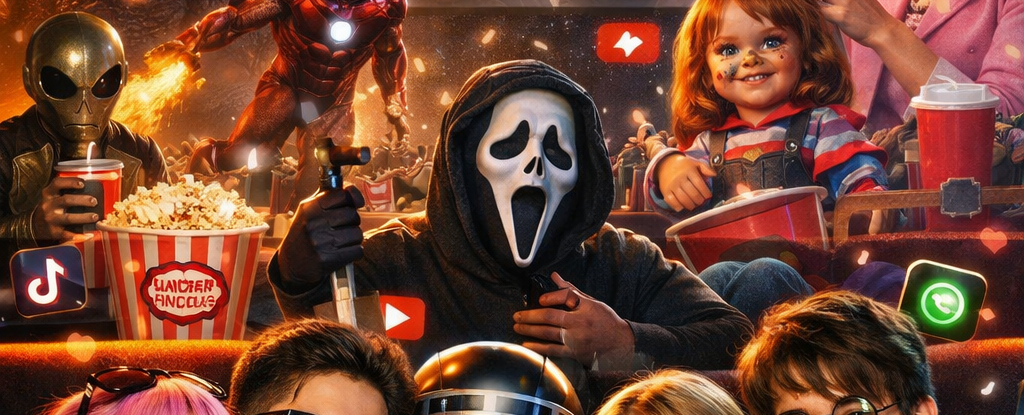
Open Instagram or TikTok right now and chances are you’re seeing trendy soundtracked slideshows from Oscar-buzzy movies. Barbie, Oppenheimer, and Dune: Part Two, blockbuster films have been buzzing harder than ever before. We’ve entered a new era where popular films are more than just background noise. They’re events. So what makes a movie go viral? Let’s analyze active Gen Z numbers to find out.
Being in the business of YouTube/content creation, I like to think of this new wave as movie culture evolving. There is a science behind how these younger generations are building their media diets to one up each other. It’s a competition to see who can find the coolest weekend activity. Okay, maybe that analysis is a little simple. But from a sociology perspective (and number standpoint), let’s break down the formulas of virality.
Experience The Magic: The Power Of Collective Viewing
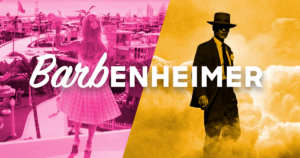
Audiences are interacting with films more now than ever. Both Barbie and Oppenheimer released the same weekend, creating the phenomenon “Barbenheimer” and creating a new understanding for the financial strength of shared experiences. It propelled this July’s opening weekend to a record-breaking $310 million domestically alone. Overall, the two films made over $2.4 billion worldwide. Audience excitement online can indeed move the needle. So did Dune: Part Two, racking up colossal amounts of global hype and digital momentum across platforms. The science-fiction film made a handsome $715 million at the global box office proving that if a film catches pop culture’s attention, it will sell tickets. In fact, attendance from Gen Z cinema-goers has increased by 25 percent over the past year. They now spend an average of 6.1 visits to the theater per year and crave shared experiences like never before, both in person and online.
The Power of Aesthetic Currency in Capturing Gen Z's Heart
Visual identity has never been as important as it is in our screen-swallowing world. Barbie hypnotized TikTok with its coordinated, ultra-fuchsia, aggressively aspirational aesthetic. Dune: Part Two transported viewers through epic sandy vistas that emphasized a crushing feeling of insignificance and environmental detachment. Oppenheimer punched you in the mouth with some grimy “very metal” stylistic gusto. No movie comes out these days without the conscious effort to make it as rebloggable as possible. Within the Instagram feed of your everyday Zoomer, these movies still become hard currency. Whether it’s one good shot that becomes a new phone wallpaper, the inspiration for a TikTok, or carefully curated within an Aesthetic Instagram mood board. Movies are able to virally market themselves to Gen Z simply by having a well-established…vibe.
What Makes Identity Templates Relatable in Storytelling?
Themes within contemporary blockbuster films relate to identity formation as many people today are extremely displaced and living in a state of dread. Barbie dove into an identity crisis and allowed its younger viewers to question who they are and how social constructs can be limiting. Oppenheimer displayed the paralyzing effects of extreme moral ambiguity and what it means to live in a world of great technological devastation. Paul Atreides from Dune was the embodiment of oppressive fate, political dysphoria, and unwanted change during times of global chaos.
Members of this generation are living through intense sociopolitical and economic change. There is a lot of algorithmic stimulation that millennials and Gen-Z’ers experience, and we are constantly seeking media that we can relate to. Whether that be relating to our identity, feeling of purpose, or levels of anxiety. In order for a movie to be relatable these days, you have to understand the individuals that you are trying to reach and show the truth through your story. If you’re able to allow your audience to box their emotions during times of uncertainty, you will find your movie lasting longer.
The Impact of TikTok's Algorithm on Modern Social Media
Let’s face it: TikTok has been and continues to be one of the strongest platforms when it comes to building massive virality for movies and entertainment trends. TikTok has surpassed 1.58 billion monthly active users worldwide and users spend an average of 95 minutes on the app per day. 60 percent of TikTok users are from Gen Z directly. Let’s say you want to reach Gen Z; you have to be on TikTok. The algorithm favors high engagement rather than who has more followers, which means the game has changed when it comes to movie marketing.
Gen Z will not sit back and watch something. They will overanalyze every second of a movie and piece it back together how they want. Whether it’s analyzing every conspiracy theory about what something in the movie could mean or breaking down symbolism or recreating their favorite endings, movies have become year-long social media discussions. This creates continuous engagement and can help a movie trend well past its two hour lifecycle. When sound trends and users create full video essays on films, you can make that moviegoer feel like they already got hit with FOMO, and convince them to buy a ticket to see a movie in theaters.
Quality vs. Hype: The Future of Digital Architecture
The worldwide cinema landscape has been dominated by event films recently as audiences have come to exclusively expect big-budget film experiences that can only be felt in-person. Necessarily coming with this new era is the argument of if these events are successful based on merit or if there’s just simply more hysteria around them. People who stand for film quality are right to say that films like Dune and Oppenheimer actually do provide substance. You can’t trick people with algorithmic HYPE if your final product isn’t genuinely worth it and you’ll burn a studio down for good. What you need to have is a perfect balance of both quality and memorable moments to truly dominate pop culture. Quality will ensure your movie lives longer than its social media cycle, while HYPE will help it break through to achieve that overnight buzz. We’re quickly entering an age of films being made with virality already at the core of their marketing teams. The line between cinema and content is officially blurred..
Final Thoughts
Being a digital storyteller myself, I’m endlessly fascinated with this cultural shift. Film has progressed beyond mere narrative contrivance to become a platform for identity creation and digital social activism. The cultural relevance of mainstream blockbuster movies depends more than ever on how they are experienced collectively on the worldwide web. Movies aren’t just something we watch anymore, they’re something we use to help us make sense of this complex world around us. When you think about the possibilities of high-budget film meeting naturally occurring social media consumption, there is massive long-term potential for strategic influence. Studios that understand this cultural paradigm will continue to rise, and others will fall back into oblivion. I believe dissecting the psychology of why these memes tap into our collective consciousness allows us to gain a deeper understanding of what’s truly compelling about modern day cinema. Do viral trends play a role in what movies you intentionally watch?
